
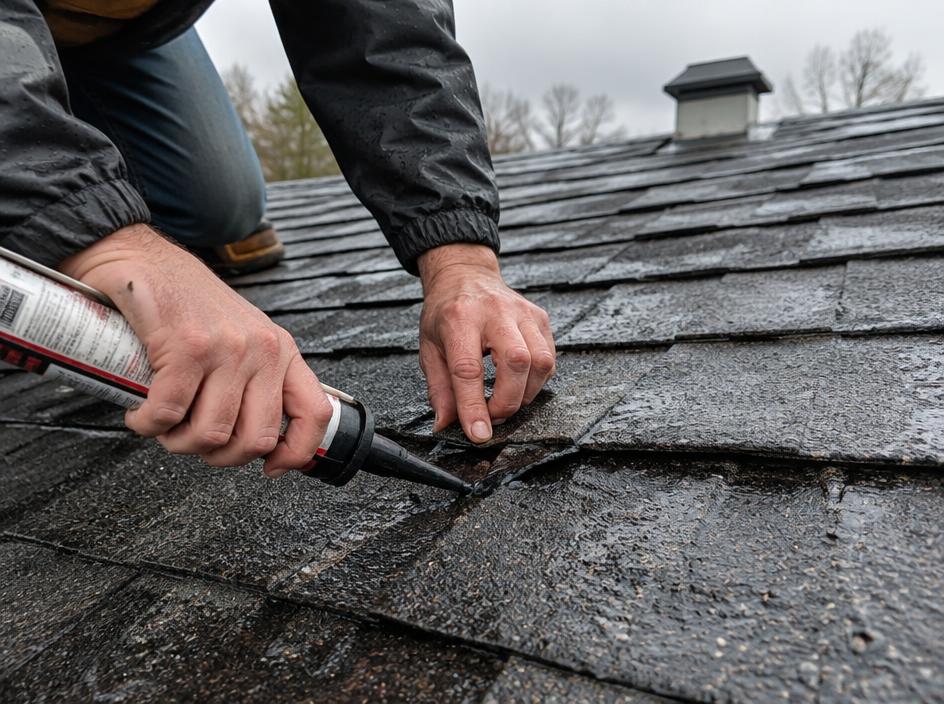
Do this right now
- 1
Stay safe from power
If water is near lights, outlets, or a ceiling fan, turn that circuit off at the breaker. Do not touch wet switches.
- 2
Catch the water
Put a bucket, pot, or towels under the drip. Move furniture, rugs, and electronics out of the way.
- 3
Drain a bulging ceiling
If the ceiling sags like a bubble, poke a small hole at the lowest point with a screwdriver so it drains into a bucket.
- 4
Take photos
Photograph the ceiling, the attic if it is safe, and the roof from the ground. Your insurer will want these.
- 5
Stay off the roof
Wet roofs are slick. Leave climbing, tarping, and patching to the roofer.
Where Hill Country leaks come from
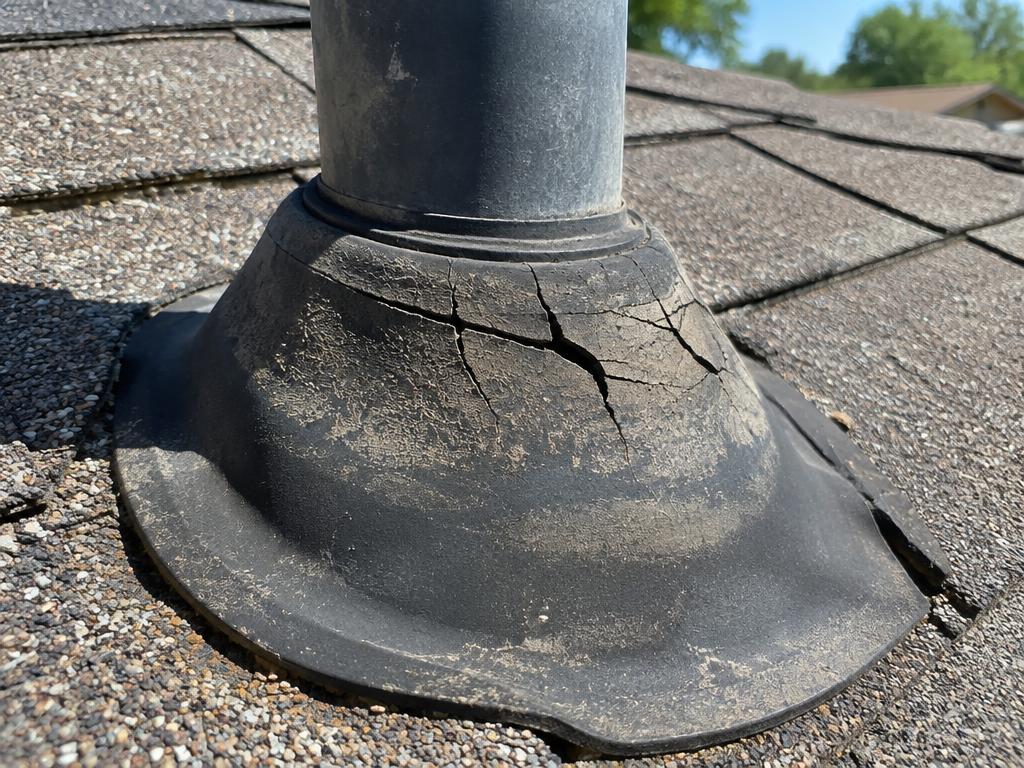
Dry-rotted pipe boots
Texas sun bakes the rubber seal around plumbing vents until it cracks. Water runs down the pipe into your ceiling.
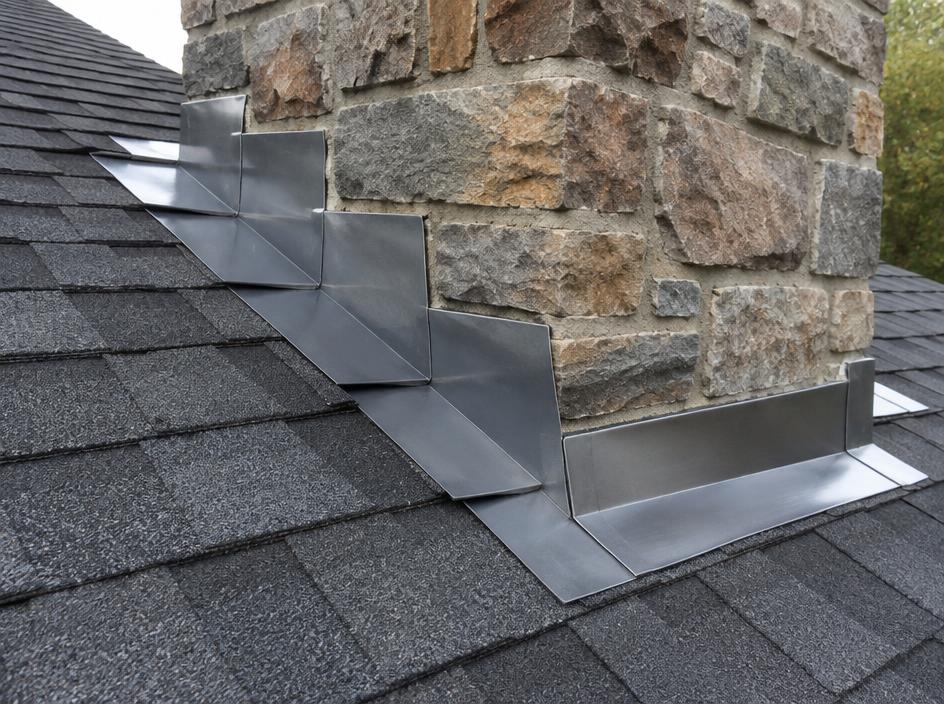
Chimney flashing gaps
Metal where the roof meets a chimney or wall can rust, lift, or lose its sealant. Rain slips in behind it.
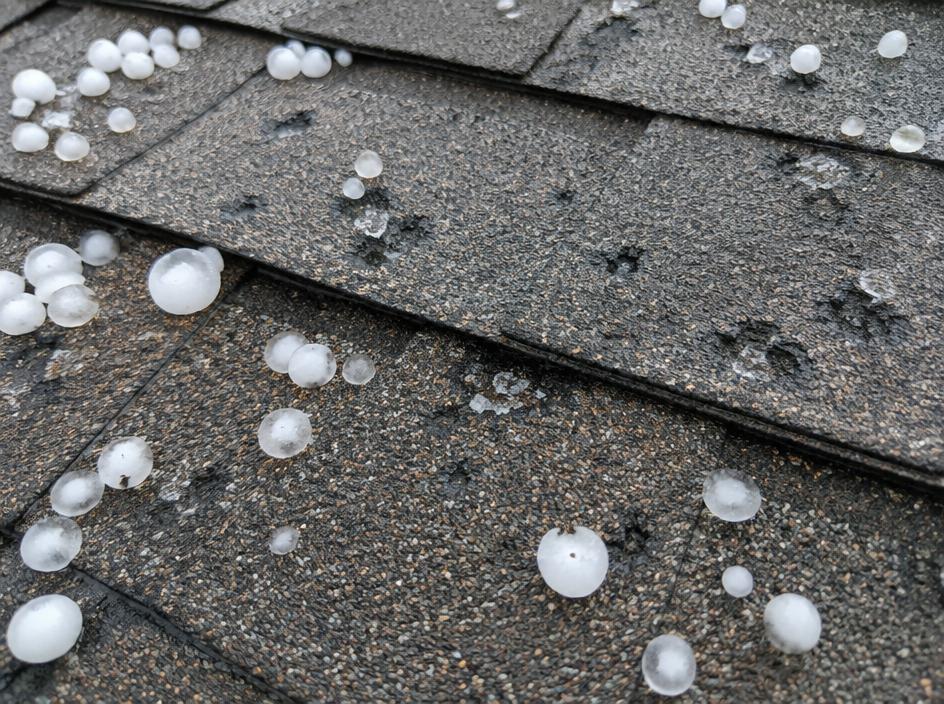
Hail strike punctures
Spring hail can crack shingles and knock off granules. Some hits break the mat, and rain soaks through.
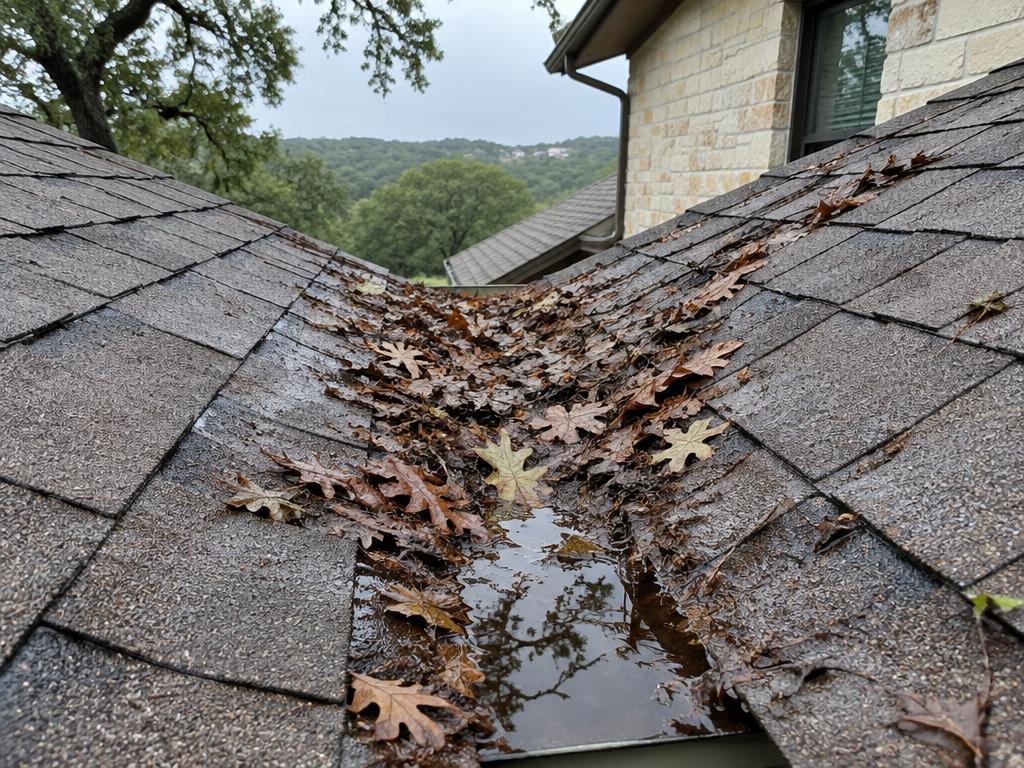
Clogged roof valleys
Valleys carry the most water. Oak leaves and debris dam them up, and water backs up under the shingles.
Spot repair or new roof?
Usually a spot repair
- One leak in one place
- Cracked pipe boot or loose flashing
- A few missing or broken shingles
- The rest of the roof is in good shape
May need a new roof
- Leaks in many spots
- Wide hail or wind damage
- Soft or rotted wood under the shingles
- An old roof near the end of its life
What changes the price
- Where the leak is and how hard it is to reach
- How steep and tall the roof is
- Roof material: shingle, metal, tile, or flat
- Wet or rotted decking that must be replaced
Texas insurance rule: by law, a roofer cannot pay, waive, or rebate your insurance deductible. You pay your deductible. Your insurer covers the rest if the damage is covered.
What happens after you reach out
A local partner roofer calls you back, asks what you see, and sets a time to look. If it is still raining, they may tarp the spot first and come back to fix it once the roof is dry.
Common questions
What should I do first when my roof is leaking?
Turn off power near the leak, catch the water, and drain a bulging ceiling with a small hole. Take photos. Do not climb on a wet roof.
Can a roofer tarp my roof during an emergency?
Often, yes. A tarp is a short-term cover to keep rain out until a real repair can be done. The roofer will tell you on the call if tarping makes sense for your roof.
Can a leak be fixed while it is still raining?
Usually only a tarp or quick patch is safe in the rain. The lasting repair happens once the roof is dry and safe to walk on.
Will my homeowners insurance pay for a roof leak?
It depends on your policy and the cause. Sudden storm or hail damage is often covered. Leaks from old age or wear often are not. Call your insurer and ask.
Can the roofer pay or waive my insurance deductible?
No. Texas law says a contractor cannot pay, waive, or rebate your deductible. Be careful with anyone who offers to do that.
How much does an emergency leak repair cost?
We cannot give a fair price without seeing the roof. Cost depends on where the leak is, how steep the roof is, the roof material, and any wet wood under the shingles. Request exact repair pricing based on an inspection.
Does a leak mean I need a whole new roof?
Not always. Many leaks come from one spot, like a pipe boot or flashing, and can be repaired. A new roof makes more sense when the roof is old, has many leaks, or has wide storm damage.
Is the leak repair covered by a warranty?
Warranty terms depend on the roofer and the materials used. Ask the roofer to put the warranty in writing before work starts.
Related roof help
- Storm & Hail Damage Restoration
- Chimney Flashing & Skylight Repair
- Shingle Roof Replacement
- Standing Seam Metal Roofing
Leak repair near you
We help homeowners across New Braunfels. Gruene, Vintage Oaks, River Chase, Avery Park & Voss Farms, Copper Ridge.